I have been living with lupus for several years, but I have not spoken publicly about it or been very involved in advocacy for the lupus community.
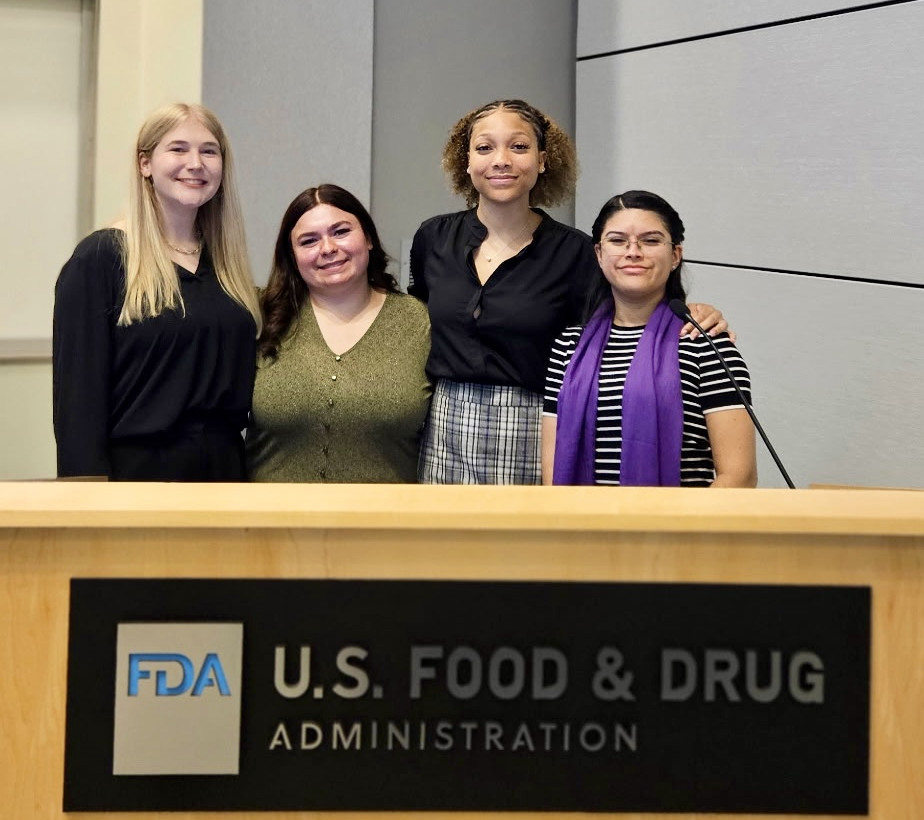
Last month, I jumped right in and did something way outside of my comfort zone: I spoke at the U.S. Food and Drug Administration to a room packed with physicians, pharmaceutical industry leaders, families living with lupus, and federal regulators. I was part of a group of patients and families who were empowered by CARRA and the Lupus and Allied Diseases Association, Inc. (LADA) to share our insights at the FDA Workshop: Accelerating Product Development for Pediatric Systemic Lupus Erythematosus (SLE).
Guess what? I discovered I really loved it. I thrived on the experience of sharing my perspective of living with lupus. Although I wasn’t diagnosed with lupus until about three years ago, my journey with autoimmune disease began much earlier. I’ve had autoimmune antibodies since I was 11. My journey has not been easy; it took me about a year to be comfortable with my diagnosis. I remember feeling sad and scared and asking myself, “Why did this happen to me?”
Reality of Living with Lupus
Life with lupus has come with many challenges, including medications that haven’t worked for me. Right now, there is only ONE medication approved by the FDA for children with pediatric SLE, which means many other medications are prescribed off label.
Off-label means prescribing a drug for a disease that it is not FDA-approved to treat. When medications are prescribed off label, it requires more effort from doctors and patients to access the medicine, and insurance companies may deny coverage. While children and their families wait for new treatments to be approved, they face these insurance barriers and financial strains – added stresses on top of managing a difficult disease.
That’s one of the reasons I chose to participate in the FDA Pediatric Lupus Workshop.
Finding My Voice
Although I was very nervous, I knew that serving as a patient panelist at the workshop was a major opportunity to help spark meaningful change. Most importantly, I knew how critical it was for people living with lupus to be part of the conversation about the future of lupus treatment.
We are the ones living with this condition, and it starts with us to help ignite the change. We know what it’s like to navigate medications, appointments, insurance, and all the physical and emotional challenges that come with lupus.
I’m not much of a public speaker, so initially I didn’t feel very confident about speaking in front of so many experts and leaders. I was afraid I would say something wrong. But then I realized something: It’s impossible to say the wrong thing when you’re talking about your own experience. That gave me the confidence to speak honestly not only for myself, but also for children and young people living with lupus.
Day in the Life of an Advocate
I knew how important this workshop was, so I wasn’t going to let anything stop me from getting there. My original flight to Washington, D.C., was canceled because of severe thunderstorms, and my new flight wasn’t scheduled until the next day, when the storms were expected to continue. So, I woke up at 2:30 a.m. Wednesday morning and headed to the airport. I was exhausted, but I knew I needed to be there to advocate for children with lupus.
Speaking From the Heart
I thought that preparation for this workshop was going to be difficult, so I kept overthinking what to say. I made a cheat sheet of notes, but I ultimately found myself speaking from my heart on the panel.
One of the most meaningful things I took away from the workshop was the feeling that the FDA representatives truly listened to us. I came away believing that they genuinely want to see more treatments become available for children with lupus.
I also realized just how powerful it was for me and my fellow patient panelists to be there. Without our voices, the perspective of actually living with lupus would have been missing from the entire conversation. CARRA and LADA made sure that patient perspectives were integral to the workshop.
Since CARRA’s founding in 2002, CARRA has recognized the importance of partnering with patients and caregivers along every step in the research process. Patients and caregivers, who can join CARRA for free, play a key role in activities such as protocol development by assessing the feasibility of study participation.
What I Hope Comes Next
This experience changed me. I learned a lot about myself and discovered that I have a stronger voice than I realized. I am confident that the workshop opened people’s eyes to the incredible need in the pediatric lupus community by highlighting the lack of FDA-approved medications for children and the potential harm that can come to children who are stuck waiting for more treatment options, especially children who don’t respond to the standard of care.
I hope decision-makers will consider our thoughts and feelings about making clinical trials accessible and feasible for families. I hope to see a change in the designs of clinical trials, so that patients and families are included in every step from the very beginning to ensure that clinical trials are accessible, acceptable, and realistic for children and families living with pediatric SLE.
Most of all, I hope we can create a future where children with lupus aren’t limited by their disease or by the lack of treatment options, and they have the freedom to learn, play, dream, and live like the children they are meant to be. That is the future I want, and I’ll keep using my voice to make it a reality.
Chloe Raymond, a native of Boston, works as an assistant customer service manager. She has a goal to go back to school for nursing; she dreams to work in the pediatric rheumatology department. In her free time, she enjoys a relaxing beach day, going to many concerts, as well as reading, and more recently, advocating for the lupus community.
Stay informed on CARRA’s efforts to accelerate treatments and much more. Become a free patient/caregiver member today.